“Be not another if you can be yourself.”
Paracelsus
Do you feel a sense of belonging in life… at home, at work, with friends, with family, with peers? Belongingness is a fundamental human emotional need and something we all require in order to have a fulfilled life. While Maslow’s hierarchy of needs demonstrates the basic physiological and safety needs of food and shelter these are closely followed by the psychological needs of love, relationships and belonging. Yet sometimes it can be hard to identify our sense of belonging, perhaps within our friendship groups, or the organisations we work in, or for some possibly within our family.
Just recently I have been more actively involved in Diversity and Inclusion efforts at work, and during the recent focus on Black History Month, I have listened to and participated in various panel discussions with participants from all across our business sharing their own diverse stories and lived experiences of being part of an ethnic minority group. Listening to these stories has been humbling, eye-opening and powerful. These stories also made me think about my own life experiences, specifically around the identity our name brings to us and how this has an influence on belonging.
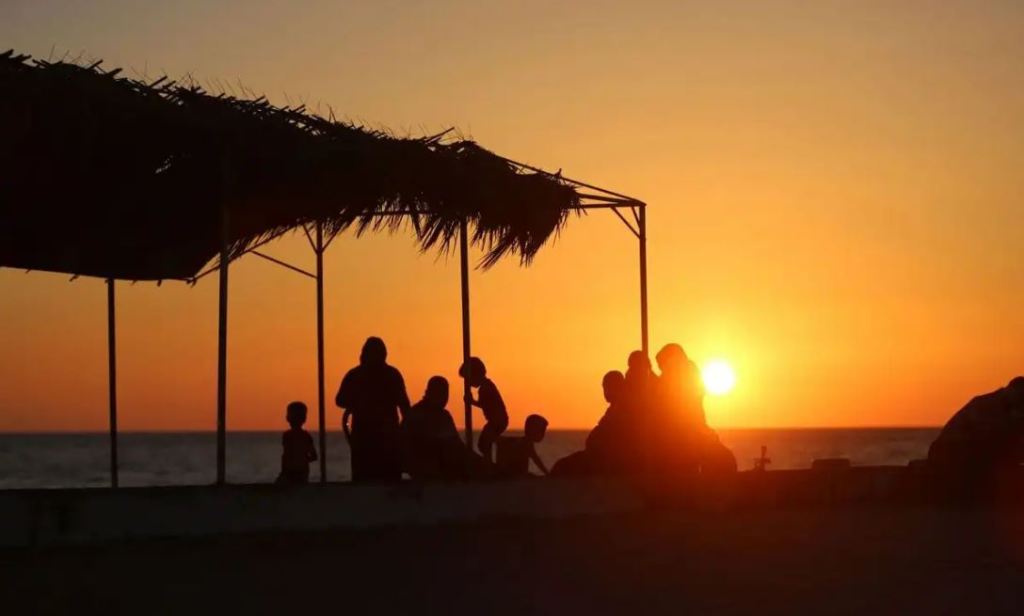
I was born in the UK, and just weeks after my family moved to the Middle East, subsequently spending much of my childhood living both in the UK and the Middle East, in a culturally mixed family. I tend to be described as ‘white British’ and most would assume of typically white decent, with the only hint of uniqueness to my heritage being my less common name, for which I am regularly asked about. My name makes me unique and at times in my life I have wished that I had more of a typically English name so I ‘fit in’ and did not stand out as different so I could blend into a typically British life.. of course, upon reflection, this was so I felt like I ‘belonged’.
I have learned to value the uniqueness of my name, and the fact that it brings with it the opportunity for me to keep my heritage alive. As I grew into my teenage years my mum remarried, and while we live a western lifestyle and my trips to the Middle East ended, my Mum always made sure my Middle Eastern roots were kept alive and ensured I knew how special my unique identity was. As an adult, I am so grateful to her for this, and proud of the person I am. I have learned that I can feel I belong not only when I am surrounded by my British family but also when I am in contact with my Middle Eastern family, and it is my name that helps me to feel I belong. Rather than being the only ‘Nebel’ in the room, I become someone that is part of something very special, having been named after a beloved Aunty along with a cousin’s daughter who also has the privilege of the name ‘Nebel’ [although spelt slightly differently due to the Arabic to English translation].
I have learned that belonging can come in many different ways, it can be how we identify the way we look (our ethnicity) it can be through commonality in our faith, and it can come from our name … our identity plays a part in belonging.
So why share all of this, ok, yes, we all know we need to feel we belong but aside from this we should also be mindful of how we place assumptions on what we see or perceive in people. I have begun to realise that because I look ‘typically British’ that in my lifetime some pretty unacceptable things have been said in my presence in relation to the assumptions people have on the Middle Eastern culture compared to western culture. The people saying these things thought they were in the company of a white British female which they would assume would unlikely be offended. They had however completely overlooked my mixed heritage and I now know if I am in that position I feel confident enough to call out unkind and malicious comments, or help educate people if they say something that they don’t realise is offensive – I recognise that sometimes we don’t always get it right and that things can be said without any bad intent so helping people to learn and recognise why what they say may cause upset is important. I have myself been in a situation in which I said something that upset a peer, I immediately took personal responsibility for learning more about why what I has said was upsetting and actively chose to educate myself more.
My parting thoughts are, open your arms wide to everyone, no matter what their background, never make assumptions based on how someone looks, and be respectful of how much a name means to each of us as unique individuals. We all deserve to feel we belong and are loved.
If this story resonates with you in any way and you have not spoken out about how you feel, please be encouraged to, unless we share our stories we won’t achieve a world of true inclusion.
In honour of my beautiful family both East and West.
Wishing you all health and happiness – Inshallah
 DREAM BIG : BELIEVE BIGGER
Leave a comment